Debussy
Suites
Préludes
Études — Book II
Images
Miscellany
- 3 morceaux
- Suite Bergamasque — Passepied solo version — duet version
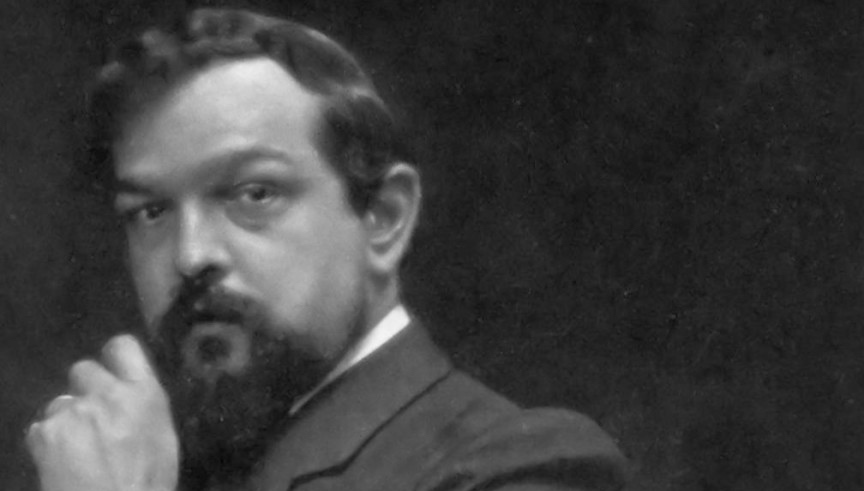
Debussy
Piano Works
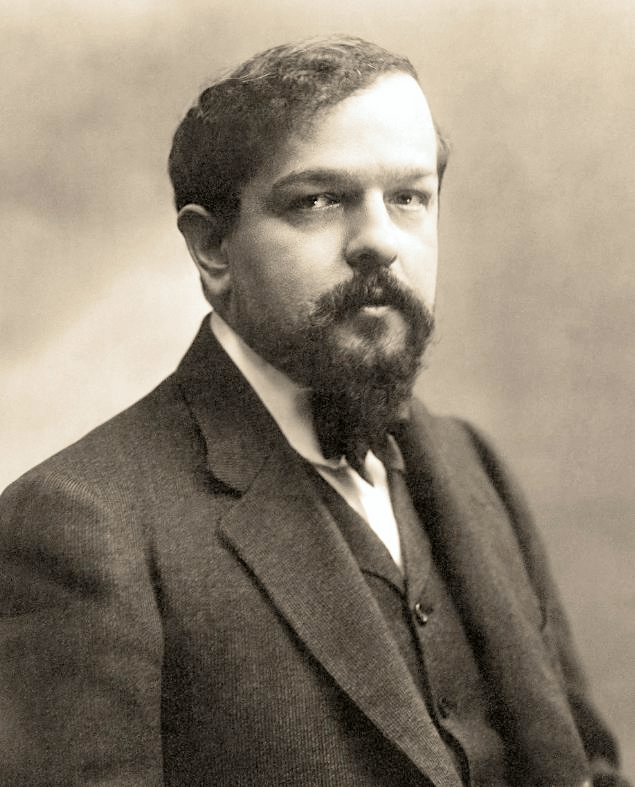
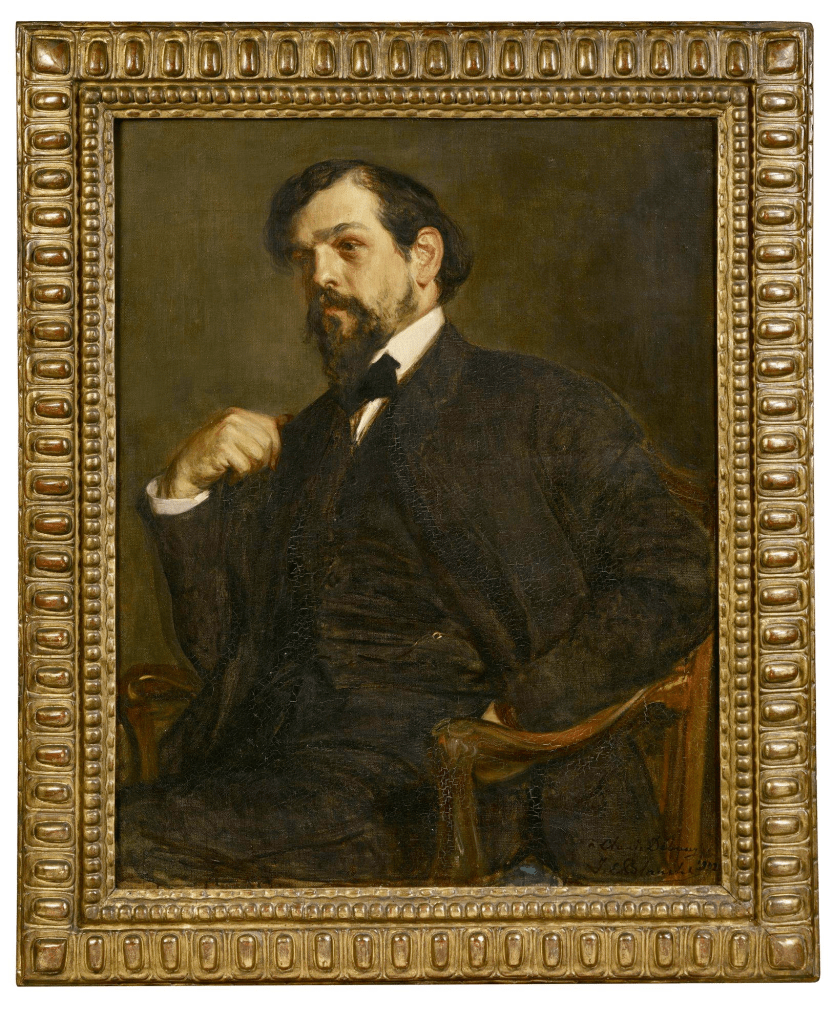
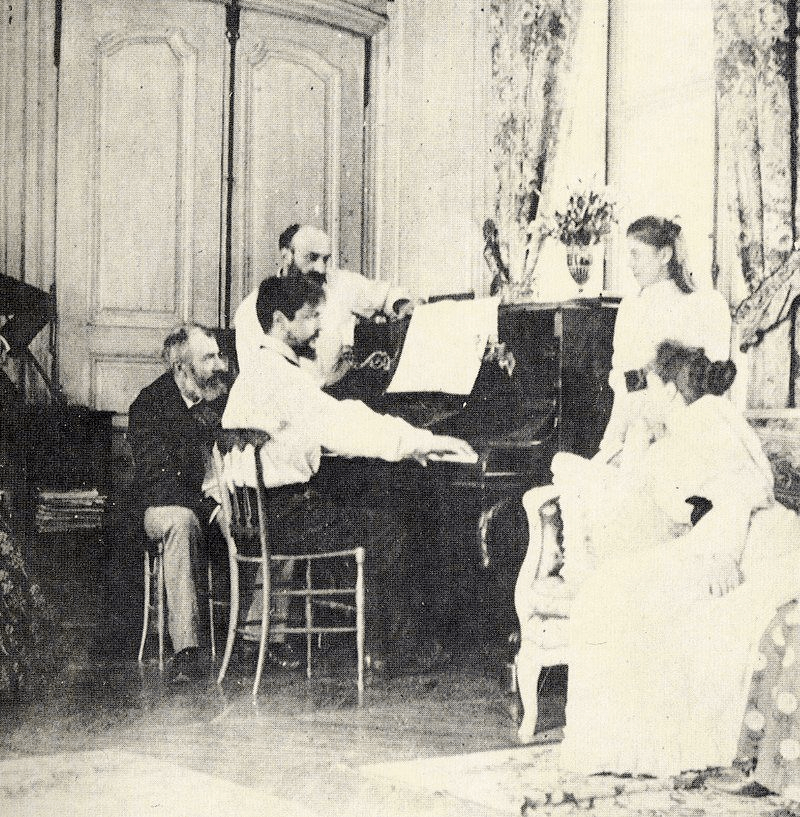
In the piano music of Claude Debussy, we encounter a sound world that seems, even today, to belong to its own realm of colour, atmosphere, and suggestion. Writing at the turn of the twentieth century, Debussy reimagined what the piano could express — not as a vehicle for structural argument in the tradition of Beethoven or Brahms, but as an instrument of resonance, nuance, and fleeting impression. His works invite the listener into landscapes that shimmer rather than declare, where harmony dissolves into colour and form unfolds with a natural, almost improvisatory grace.
Yet beneath this apparent freedom lies a highly refined and deliberate craft. Debussy’s piano music balances innovation with clarity: textures are meticulously controlled, pedalling becomes an essential expressive tool, and rhythm — often flexible and elusive — remains precisely notated. Across collections such as Estampes, Images, and the two books of Préludes, he develops a language in which sonority itself becomes structure.
The earlier suite Pour le Piano (1894–1901) still shows Debussy maintaining some tradition. Its three movements — Prélude, Sarabande, and Toccata — echo Baroque forms while transforming them through modal harmony and pianistic brilliance. Even here, one senses the departure from Romantic rhetoric toward a more transparent, colouristic style.
With Estampes (1903), Debussy’s mature voice emerges more fully. Each piece evokes a distinct sonic image — whether the gamelan-inspired sonorities of Pagodes or the atmospheric suggestion of Jardins sous la pluie. The idea of music as “impression” or “image” continues in Images, Books I and II (1905, 1907), where textures become more layered and harmonically adventurous, and the piano is treated almost orchestrally.
The two books of Préludes (1910, 1913) represent perhaps the summit of Debussy’s piano writing. Each miniature is a self-contained world, its title placed at the end as if to avoid imposing a fixed interpretation. Here, Debussy achieves an extraordinary balance between freedom and precision: the music feels spontaneous, yet every gesture is finely calibrated.
Alongside these major collections stand works of a more intimate or playful character. Children’s Corner (1908), written for his daughter, and perhaps reflecting her youthful personality, combines charm with sophistication, its humour and lyricism never far from subtle irony. The graceful Passepied — both in its solo and duet versions — offers a light, dance-like elegance, reimagining an old form through a modern harmonic lens.
In his final years, Debussy’s style becomes even more concentrated. The Études (1915), including pieces such as Pour les arpèges composés, Pour les degrés chromatiques, and Pour les agréments, explore specific technical problems while transcending mere pedagogy. These works are at once analytical and poetic, reducing musical language to essentials while opening new expressive possibilities.
Across this repertoire, Debussy transforms the piano into an instrument of infinite subtlety. His music resists overt virtuosity in favour of touch, timing, and tonal imagination. Dynamics often remain within a narrow range; expression emerges through shading rather than contrast. For the performer, this demands not only technical control but a heightened sensitivity to sound itself.
Taken together, these works form a cornerstone of modern piano literature. They do not seek to overwhelm, but to evoke — to suggest rather than state, to illuminate rather than define. In Debussy’s hands, the piano becomes a medium of atmosphere and memory, capable of capturing the most delicate shifts of light, colour, and feeling.