Rachmaninov
Preludes
- Op 3 Nº 2 & Op 32 Nº 13
- Op 23 Nº 1
- Op 23 Nº 2
- Op 23 Nº 3
- Op 23 Nº 4
- Op 23 Nº 5
- Op 23 Nº 6
- Op 23 Nº 7
- Op 23 Nº 8
- Op 23 Nº 9
- Op 23 Nº 10
- Op 32 Nº 1
- Op 32 Nº 2
- Op 32 Nº 5
- Op 32 Nº 7
- Op 32 Nº 9
- Op 32 Nº 10
- Op 32 Nº 12
- Op 3 Nº 2 & Op 32 Nº 13
Études Tableaux
Moments Musicaux
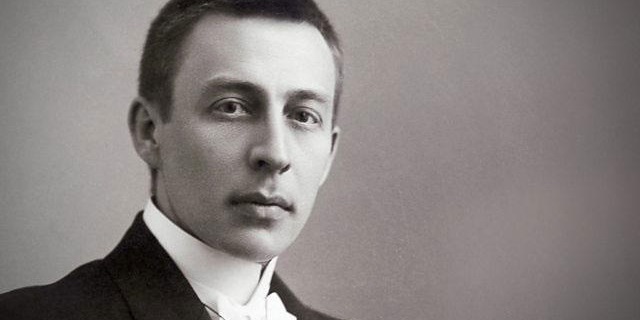
“Rachmaninov was made of steel and gold : steel in his arms, gold in his heart. I can never think of this majestic being without tears in my eyes, for I not only admired him as a supreme artist, but I loved him as a man”. Quoting Josef Hofmann two years after the composer’s death.
Sergei Rachmaninov’s piano music combines a commanding virtuosity with a deeply lyrical and often introspective voice. While rooted in the late Romantic tradition, his writing extends its expressive range through rich harmonic language, expansive textures, and a distinctive sense of melancholy and breadth.
The Preludes form one of the central pillars of his output, ranging from the early C sharp minor (Op 3 Nº 2) to the more varied and refined collections Op 23 and 32. Within these sets, pieces such as Op 23 Nº 4 and 5 and Op 32 Nº 5, 10 and 12 reveal contrasting worlds: from bell-like sonorities and sweeping lyricism to darker, more inward meditations. Op 32 Nº 13 provides a particularly striking example of his ability to combine atmosphere with structural clarity.
Alongside these stand the Études-tableaux, works which go beyond technical study to suggest vivid, often enigmatic images. Pieces such as Op 33 Nº 2 and Op 39 Nº 5 demonstrate both pianistic brilliance and a powerful narrative impulse. The earlier Moments musicaux Op 16 already foreshadow this synthesis of virtuosity and expressive depth, with Nº 1 and 2 offering contrasting studies in sonority and character.
Rachmaninov’s piano writing demands not only technical control but an acute sensitivity to voicing, pedalling, and long melodic line. Beneath the surface brilliance lies a constant search for colour, resonance, and expressive continuity — qualities that define his unique contribution to the piano repertoire.

